

Discover the hidden herbal treasures growing naturally in and around Nainital! This friendly guide spotlights five plants with powerful healing heritage in our hills—complete with local Kumaoni names, cultural significance, traditional uses, and charming trivia.
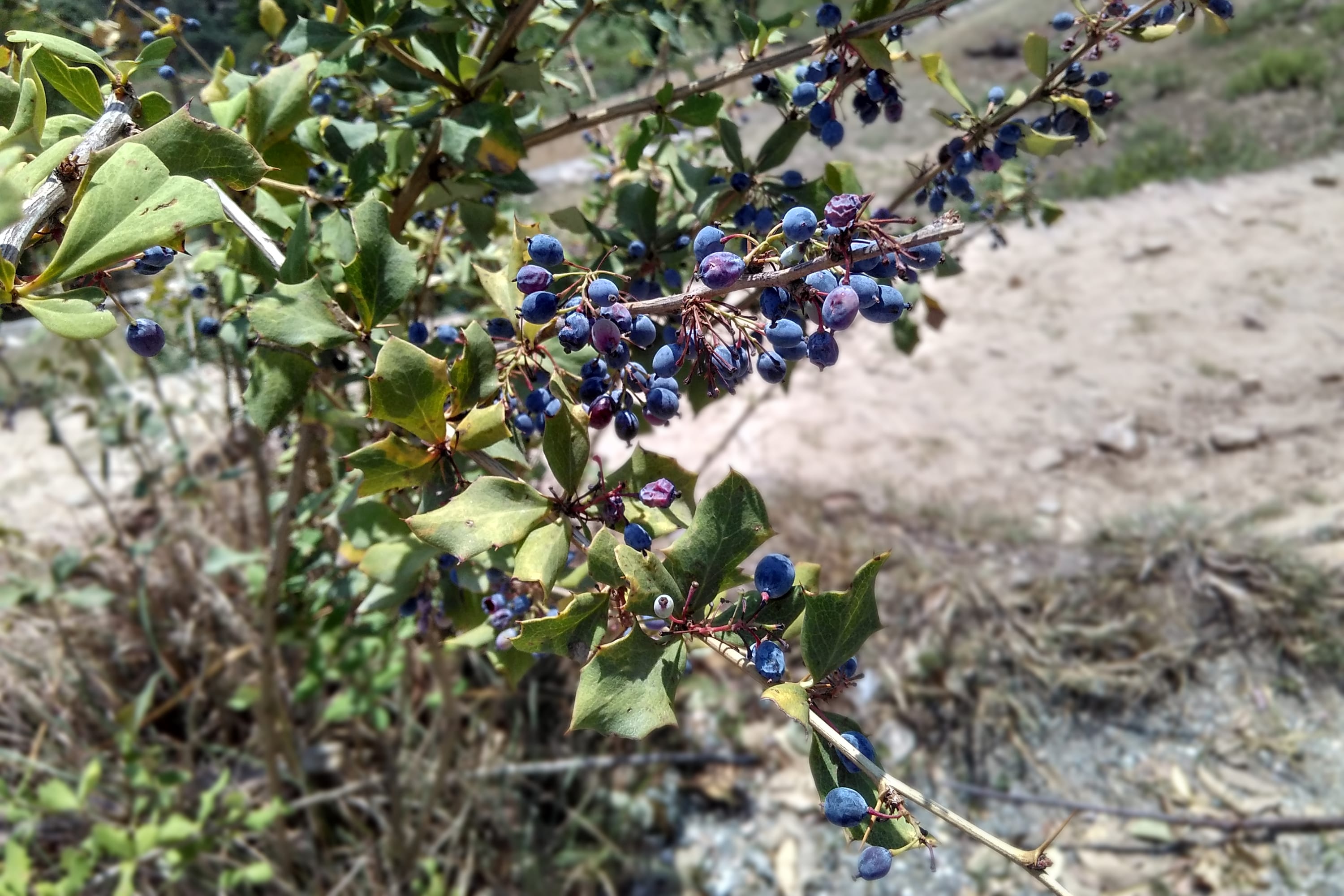
🌳 Kilmora: Indian Barberry (Berberis aristata)
🏜 Local Names
- Kilmora (Nainital)
- Chotra / Chutro (Kumaon, Nepal)
- Sumlu (other parts of Kumaon)
🌿 Medicinal Value
Traditionally used to treat eye infections, skin diseases, diarrhea, and as a blood purifier. The root bark is a source of berberine, a compound with antimicrobial and anti-inflammatory properties.
🌲 Cultural & Traditional Significance
Rasaunt, a paste made from the root bark, was used in traditional Kumaoni households for wound care and eye disorders. It has also been mentioned in Ayurveda and Unani texts.
🍇 Trivia
- Kids love it! Its tart red berries are a local favourite.
- “Kilberry” the place near Nainital is believed to have evolved from “Kilmora Berry.”
- The bark was once used for tanning leather and making natural dye.
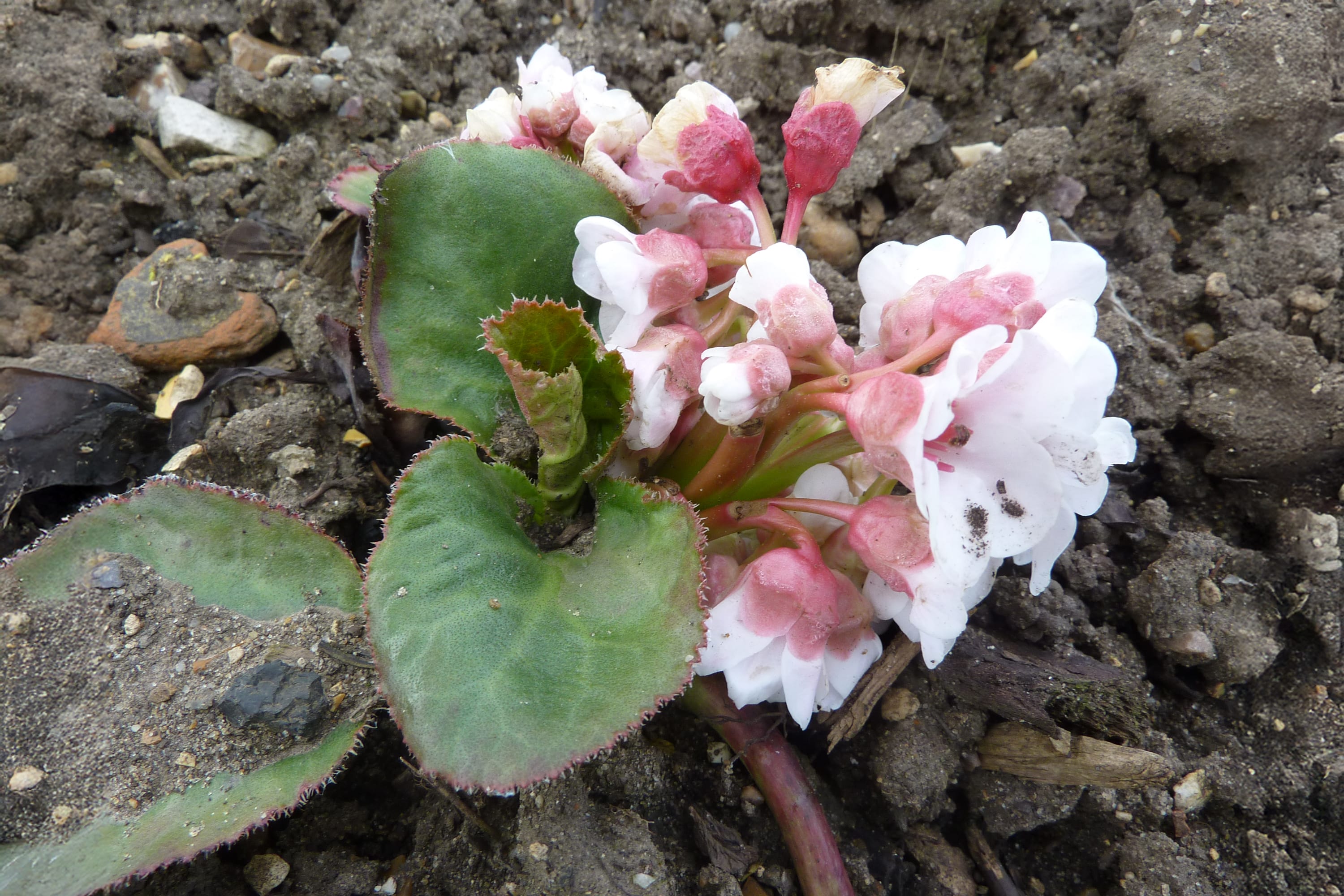
🌸 Pashanbheda: Bergenia (Bergenia ciliata)
🏜 Local Names
-
Pashanbheda, Pathar phor buti (Hindi/Sanskrit)
-
Referred to by the plant’s botanical name in local usage
🌿 Medicinal Value
Used in traditional medicine to treat kidney stones, ulcers, cough, and respiratory ailments. The rhizome contains bergenin and arbutin, known for their antimicrobial and anti-inflammatory effects.
🌲 Cultural & Traditional Significance
Often used during the spring festival of Phool Dei in Uttarakhand. The rhizomes were dried and stored in traditional kitchens for year-round remedies.
🍇 Trivia
-
Known as “pigsqueak” in horticulture for the sound its leaves make.
-
Grows on rocky outcrops and is valued for both beauty and utility.
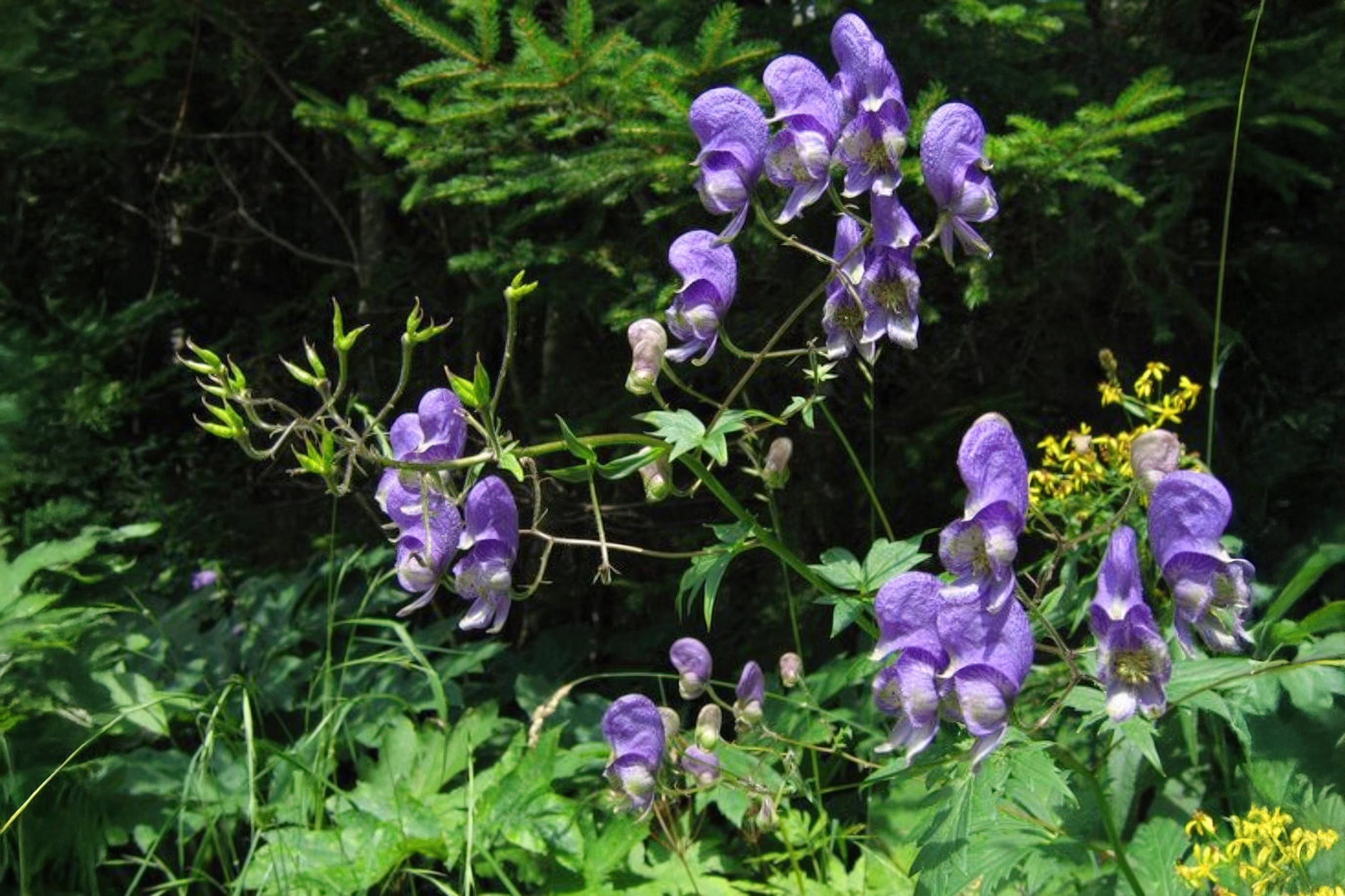
⛰ Patish: Ativisha (Aconitum heterophyllum)
🏜 Local Names
-
Patish, Atis, Ativisha (Hindi/Sanskrit)
-
Ghunalalabha (Classical Sanskrit)
🌿 Medicinal Value
Used to manage fever, dysentery, indigestion, and vomiting, especially in children. Considered non-toxic among aconites when properly prepared.
🌲 Cultural & Traditional Significance
Highly regarded in Ayurveda. Dried roots were administered in minuscule doses by vaidyas to balance bodily humors.
🍇 Trivia
-
Referred to as “Queen of Poisons” in ancient texts—yet this species is safe when processed correctly.
-
Found at 2,500–3,500 m altitude in Kumaon.
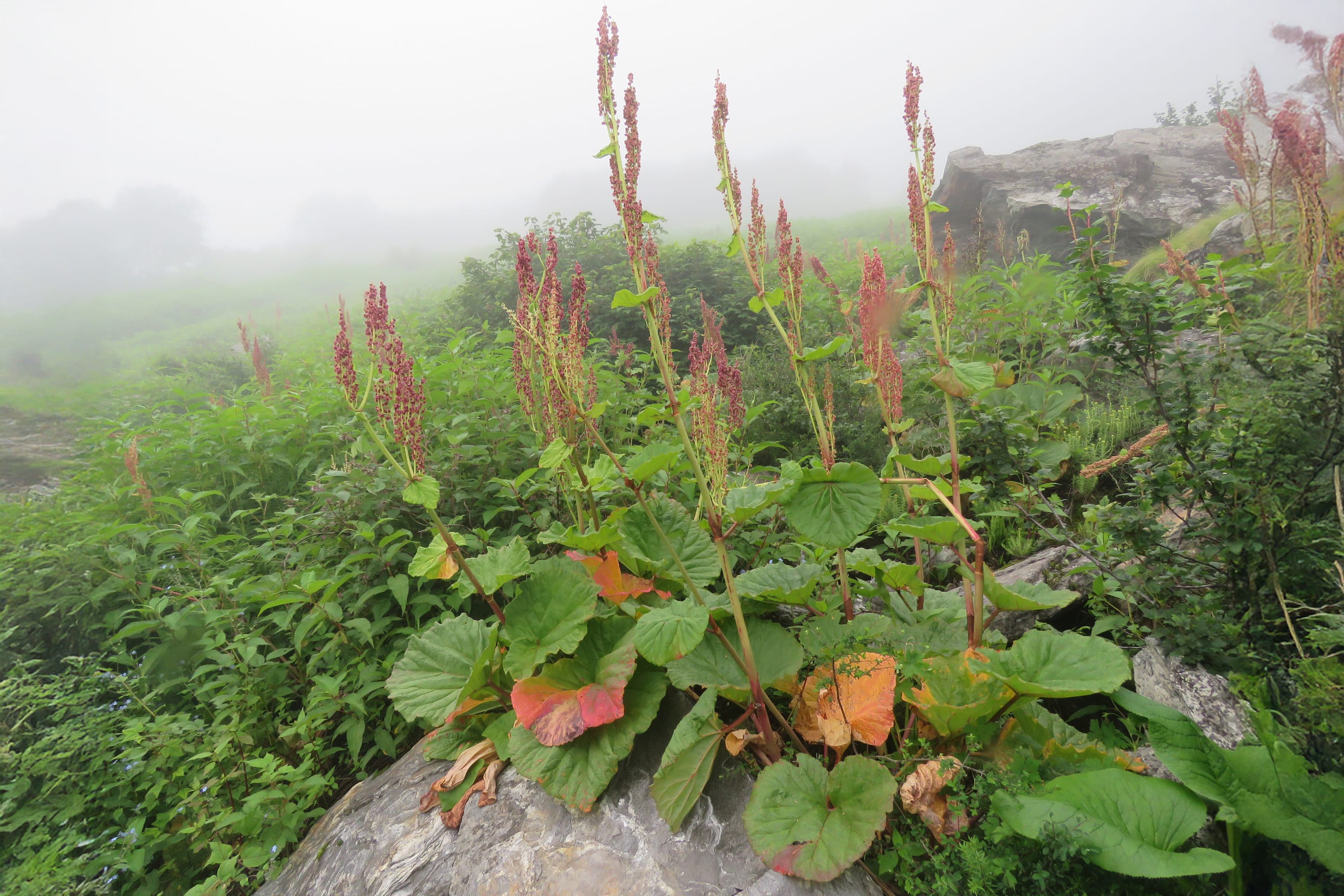
🌿 Rhubarb: Himalayan Rhubarb (Rheum australe)
🏜 Local Names
- Rewand chini (Hindi)
- Indian Rhubarb (English)
🌿 Medicinal Value
Traditionally used as a purgative and liver tonic. Roots contain anthraquinones, which stimulate bowel movements and aid in detoxification.
🌲 Cultural & Traditional Significance
Roots were powdered and mixed in decoctions. Featured in Unani and Tibetan medicine systems for treating liver disorders and constipation.
🍇 Trivia
- Young stalks used as a vegetable in some Himalayan villages.
- Children gather the leaves and stems to sell in local markets.
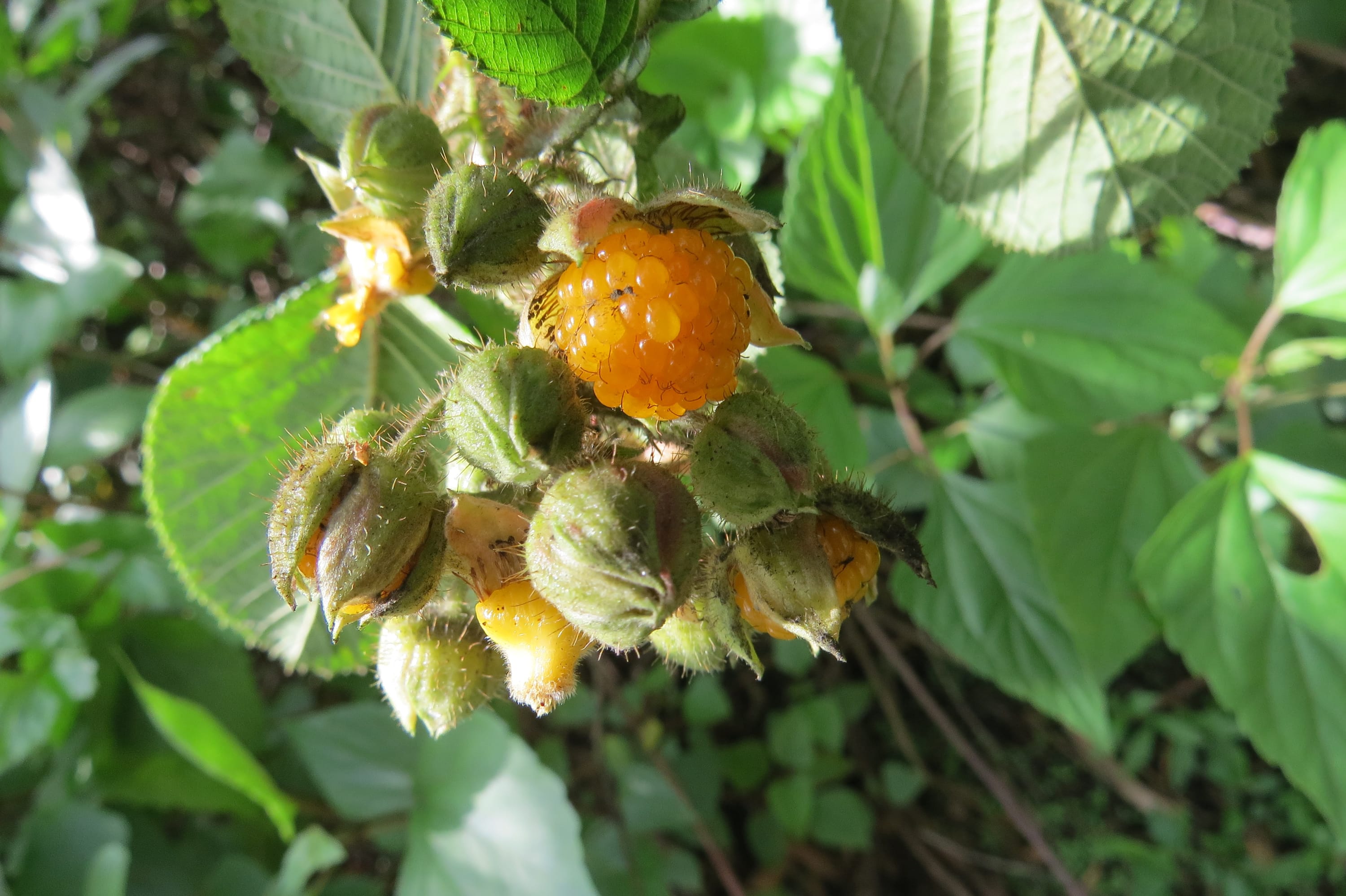
🍓 Hisalu: Golden Himalayan Raspberry (Rubus ellipticus)
🏜 Local Names
-
Hisalu (Kumaoni)
-
Ainselu (Nepali)
🌿 Medicinal Value
The fruit is rich in antioxidants, vitamin C, and polyphenols. Traditionally consumed to boost immunity, aid digestion, and cool the body during summer.
🌲 Cultural & Traditional Significance
Hisalu berries are collected by children and foraged by villagers during early summer. The plant is associated with joyful memories and seasonal abundance in the hills.
🍇 Trivia
-
Hisalu bushes line forest trails in Nainital.
-
The golden-yellow berries are juicy, sweet-tart, and eaten fresh right off the plant.
-
Hisalu is often referred to as the “wild raspberry of the Himalayas.”
⚠️ Disclaimer & Eco Reminder
Disclaimer: This article is for educational and cultural awareness only. Some plants are toxic or endangered. Do not forage or self-medicate—consult trained herbalists or healthcare experts before using any.
Eco-warning: Overharvesting wild herbs is harmful. Only source them from sustainable or cultivated supplies.
🌄 Why This Matters for Nainital
-
Cultural continuity: These names and uses highlight centuries of local wisdom.
-
Conservation call: Knowing these plants helps protect them and pushes for sustainable harvest.
-
Local pride: Celebrate our roots—literally—and boost eco-tourism, community gardens, and botanical education.
💬 What Did We Miss?
Nainital’s hills are bursting with hidden herbal wonders—and we know we’ve only scratched the surface! 🌱
If you know of other plants that have been used traditionally for healing or hold a special place in our local culture, drop a comment below. We’d love to hear your stories and insights, and we might just include your suggestions in Part 2 of this series!
Let’s keep the conversation blooming! 🌼
- Cultural continuity: These names and uses highlight centuries of local wisdom.
- Conservation call: Knowing these plants helps protect them and pushes for sustainable harvest.
- Local pride: Celebrate our roots—literally—and boost eco-tourism, community gardens, and botanical education.









0 Comments